
Canker Sores: Home Care and When to See a Doctor
Canker sores are small, painful ulcers on the lining of the mouth. Most heal on their own, but recurring or unusually persistent sores deserve a closer look.
Canker sores, also called recurrent aphthous stomatitis, are shallow, painful ulcers that can appear on the inside of the lips and cheeks, the tongue, gums, or roof of the mouth. They are not the same as cold sores: canker sores are usually not contagious, while cold sores more often appear on or around the lips and are associated with the herpes simplex virus.
A single canker sore may follow a minor unnoticed injury, stress, or irritation from food. Home care can make this period more comfortable, but it does not replace an evaluation if sores keep returning or do not heal as expected.
When to See a Doctor
A typical canker sore usually clears within one to two weeks. Make an appointment with a dentist or doctor if a sore lasts longer than two to three weeks, returns frequently, is unusually large, or occurs with fever, marked fatigue, swollen lymph nodes, or a general decline in well-being.
Recurring canker sores may sometimes occur alongside iron, folate, B-vitamin, or zinc deficiencies, as well as other conditions, including celiac disease and inflammatory bowel disease. Do not replace an evaluation with high-dose supplements taken on your own.
Gentle Care During a Flare-Up
Remove Irritants
- Temporarily limit acidic foods and drinks, such as citrus fruits, pineapple, tomatoes, and anything else that increases burning.
- Avoid chips, nuts, crackers, and other hard or spicy foods that may injure the mouth lining.
- Choose soft foods that are not too hot, and drink enough fluids.
Use Gentle Oral Hygiene
Brush with a soft-bristled toothbrush and avoid pressing on the sore area. If toothpaste causes burning or sores have become more frequent, ask a doctor or dentist whether trying a toothpaste without sodium lauryl sulfate (SLS) is appropriate. This change does not help everyone, so pay attention to your own response.
Salt-Water Rinsing
A warm salt-water rinse may temporarily ease discomfort. Use a weak solution, rinse your mouth, and spit it out; do not swallow it. Stop if rinsing stings or increases irritation.
Diet and Recurring Canker Sores
During frequent flare-ups, it may help to keep a simple journal for several weeks. Note foods, stress, mouth injuries, and oral-care products to identify individual patterns. Do not eliminate many foods without a clear reason, as this may make your overall diet less balanced.
Some publications associate recurring canker sores with low levels of iron, folate, vitamins B1, B2, B6, and B12, and zinc. A doctor can decide whether testing is appropriate, such as a complete blood count, ferritin, folate, or B12 testing. Supplements are best selected after a deficiency is confirmed and with consideration of medications and other health conditions.
If you plan to place an order on iHerb, check the active promo code before paying.
Supplements and Topical Products: Important Considerations
The source discusses DGL—deglycyrrhizinated licorice extract—aloe vera, manuka honey, and vitamin B12 as possible supportive options. Evidence for these approaches is limited, and none is guaranteed to suit everyone or address the underlying cause.
- DGL. This form of licorice has had glycyrrhizin removed. Even so, discuss it with a healthcare professional if you are pregnant, have chronic health conditions, or take medications.
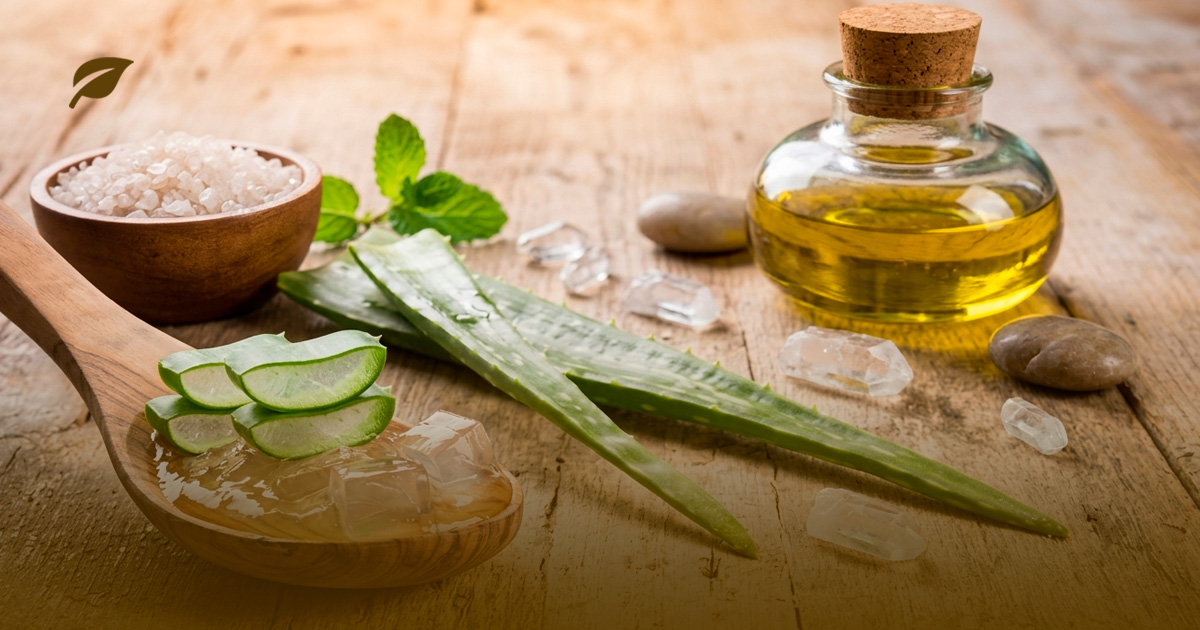
- Aloe vera. Use only a product intended for oral use and follow the package directions. Do not apply random cosmetic gels to the mouth lining.
- Honey. It may irritate the mouth lining in some people and is not suitable for children under one year of age. If you have diabetes, consider its sugar content.
- Vitamin B12. It may be particularly relevant when a deficiency or risk factors for deficiency have been confirmed. Taking large doses without guidance is not necessarily beneficial.
For products that may support your diet, you can browse the categories for vitamin B12, iron, and zinc. Buying a supplement does not replace a consultation or laboratory testing when either is indicated.
A Simple Action Plan
- Consider how long the sore has lasted and whether any warning signs are present.
- Choose soft foods and avoid acidic, spicy, and crunchy options.
- Continue gentle toothbrushing and, if needed, try a mild rinse.
- If canker sores recur, discuss diet, medications, oral care, and possible testing with a doctor.
This article is for informational purposes and is not medical advice. See a doctor or dentist for sores that are persistent, large, or frequently recurring.
Browse vitamin and mineral categories
This material is based on the referenced source and adapted for informational reading; medical decisions should be made with a healthcare professional. iHerb reference