
Sulforaphane: What It Is and How to Get It from Food
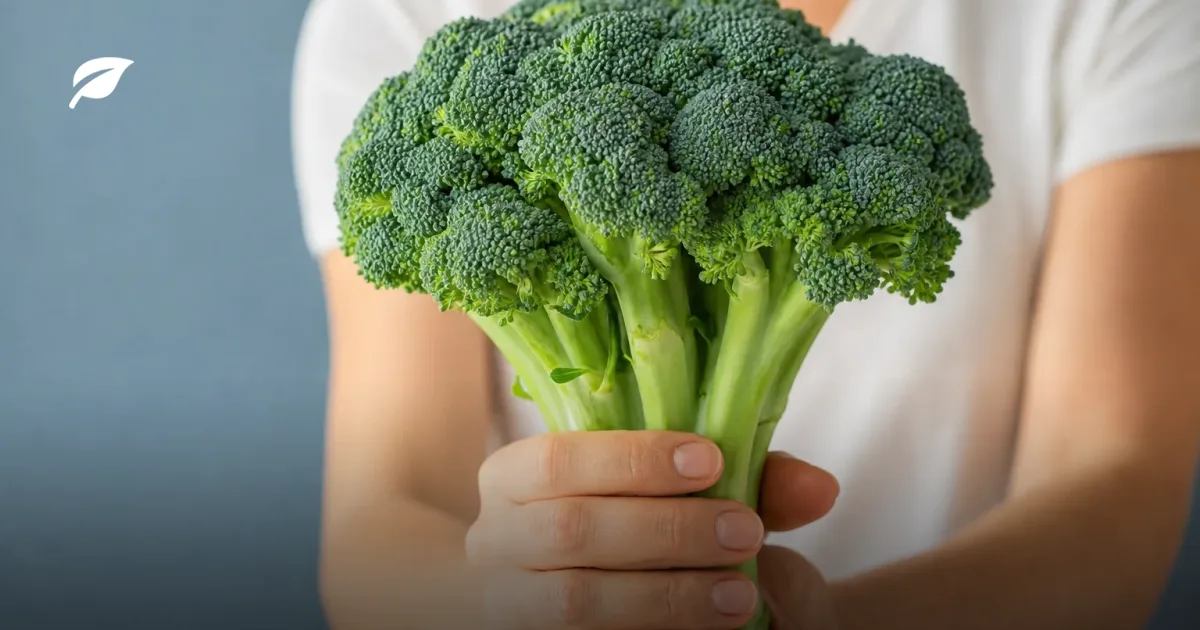
Sulforaphane is a compound associated with broccoli and other cruciferous vegetables. Learn how it forms, why myrosinase matters, and which cooking methods may be more suitable.
Sulforaphane is often described as one of the most interesting plant compounds in broccoli. However, it is not present in the fresh vegetable in its ready-made form. Instead, the plant stores glucoraphanin, and sulforaphane forms later with the help of the enzyme myrosinase. This process begins when plant tissues are damaged by chopping, chewing, or digestion.
Below, we’ll look at practical ways to include cruciferous vegetables in your diet without turning eating into a strict protocol. This information is general and does not replace medical advice, particularly when supplements, chronic conditions, or medications are involved.
Table of contents
- What is sulforaphane?
- Sources in a regular diet
- How cooking affects formation
- Supplements and safety considerations
- Practical summary
What Is Sulforaphane?
Sulforaphane is a bioactive compound that can form from glucoraphanin in plants from the cruciferous family. The reaction requires myrosinase, an enzyme found in plant cells. That means the foods themselves are not the only consideration: chopping and thorough chewing help bring the starting components together.
Glucoraphanin, myrosinase, and sulforaphane are not the same thing:
- Glucoraphanin is the precursor found in the plant.
- Myrosinase is the enzyme involved in the conversion.
- Sulforaphane is the bioactive compound that forms.
Research has linked sulforaphane with antioxidant processes and support for normal cellular function, but findings depend on the product form, amount, and details of the individual study. It should not be viewed as a treatment or a substitute for a balanced diet.
Sources in a Regular Diet
Broccoli, especially broccoli sprouts, is generally considered the primary food source. Glucoraphanin is also found in other cruciferous vegetables:
- cauliflower and green cabbage;
- kale and other leafy cabbages;
- arugula;
- radishes and daikon;
- mustard greens.
The amount of precursor compounds can vary considerably by variety, plant part, and growing conditions. As a result, it is not possible to determine the amount of sulforaphane formed from the weight of a serving alone.
For everyday eating, it makes more sense to rotate different cruciferous vegetables regularly than to try to obtain a fixed amount of sulforaphane every day. This approach broadens the diet without requiring complicated calculations.
If you plan to place an order on iHerb, check the active promo code before paying.
How Cooking Affects Formation
Myrosinase is sensitive to heat. Extended boiling and intensive heat treatment can reduce its activity, so cooking method matters if you want to preserve conditions that support sulforaphane formation.
Raw and Cooked Vegetables
- Raw vegetables retain enzyme activity when they are thoroughly chopped and chewed.
- Brief steaming is generally considered gentler than prolonged boiling.
- Chopping broccoli before heating gives the plant components time to interact, although the exact optimal timing has not been established for home cooking.
- Microwave cooking and boiling may have a greater effect on compound formation, particularly with prolonged heating.
If tender cooked broccoli is more convenient for you than raw broccoli, there is no need to avoid it. You could add a small amount of fresh cruciferous produce to the meal, such as arugula, radish, or mustard greens. This does not guarantee a particular result, but it provides an additional source of myrosinase.
Supplements and Safety Considerations
Supplements containing broccoli or broccoli sprout components may be convenient for people who rarely eat cruciferous vegetables. When choosing one, check the product form, the stated amount of glucoraphanin or sulforaphane, whether myrosinase is included, the manufacturer’s directions, and any stated independent quality testing.
No universal daily requirement for sulforaphane has been established. Do not transfer dosages from one product to another or assume that a higher amount is automatically better. Individual tolerance and possible interactions with medications also matter.
If you are pregnant or breastfeeding, have a gastrointestinal condition or metabolic disorder, or take prescription medications regularly, discuss a supplement with a healthcare professional in advance. If an unwanted reaction occurs, stop using the product and seek medical advice.
Practical Summary
Sulforaphane forms from glucoraphanin when it interacts with myrosinase. In practice, this means:
- Include broccoli, broccoli sprouts, and other cruciferous vegetables in your diet regularly.
- When practical, eat some vegetables raw or cook them briefly by steaming.
- Do not treat a supplement as a necessary replacement for vegetables.
- Do not rely on unsubstantiated promises or fixed “ideal” doses.
- When considering supplements, take your health status and medications into account.
A balanced diet with a variety of vegetables remains the simplest way to regularly obtain plant compounds. Supplements may be another option, but choosing one requires the same care as choosing any other concentrated product.
Explore healthy eating resources
This material is based on the referenced informational source; it is general information, not medical advice. Read the iHerb resource