
Collagen Peptides: What They Are and How to Choose a Supplement
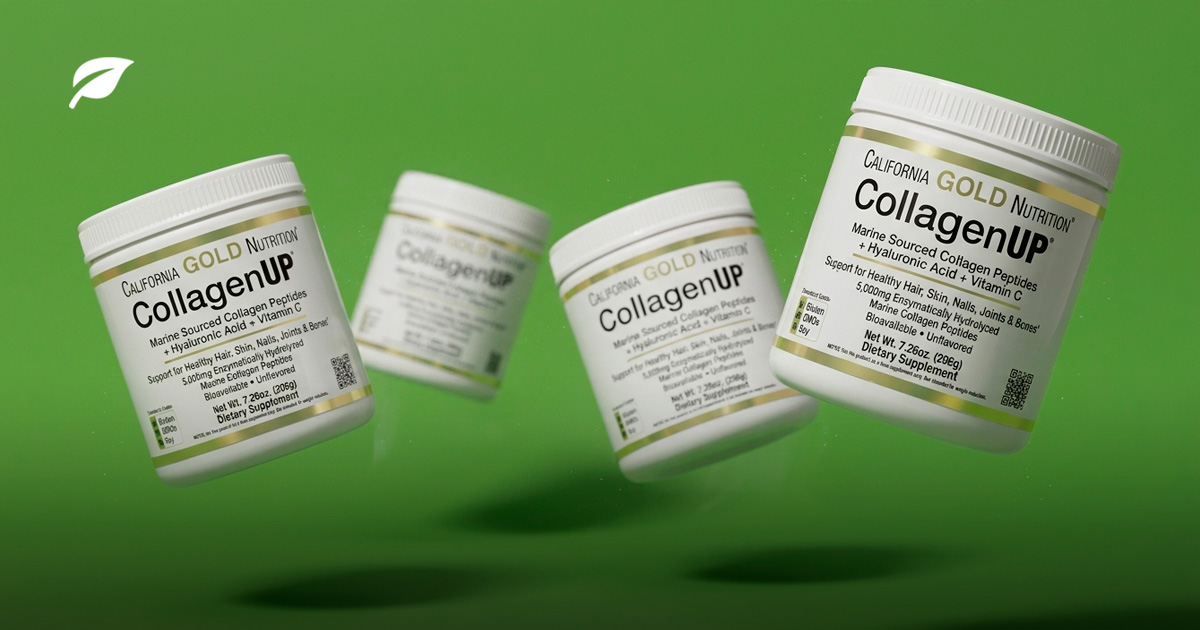
Collagen peptides are often chosen as a source of protein fragments for the diet. This guide avoids promises of quick changes and explains what “hydrolyzed collagen” means, what research has examined regarding skin, joints, and bones, and how to assess a product label.
Collagen peptides are found in powders, drinks, and formulas marketed for skin or joint support. But the word “peptides” does not make a product a universal solution. The source of the raw material, serving size, overall diet, and individual contraindications all matter.
Below is a practical overview of this ingredient form and how to read the label. Research findings cannot automatically be applied to every product: studies have used different raw materials, formulas, and intake periods.
Contents
- What are collagen peptides?
- Peptides, collagen, and gelatin: what’s the difference?
- Which areas are being studied?
- How to choose a product
- Safety and practical use
- The bottom line
What Are Collagen Peptides?
Collagen is a structural protein in connective tissue. It contributes to the structure of skin, tendons, ligaments, cartilage, and the bone matrix. Collagen peptides are made through hydrolysis, a process that breaks larger protein molecules into shorter chains.
On a product label, the same ingredient may be called “hydrolyzed collagen” or “collagen hydrolysate.” It is generally made from bovine, fish, or chicken sources, or from eggshell membrane. These products are therefore not vegetarian.
After consumption, digestion further breaks peptides down into amino acids and a small amount of short fragments. They do not travel unchanged directly to wrinkles or joints; instead, they participate in the body’s overall protein metabolism.
Peptides, Collagen, and Gelatin: What’s the Difference?
| Form | Characteristics | Practical significance |
|---|---|---|
| Whole collagen | A large, complex protein structure | Dissolves poorly and requires digestive breakdown |
| Gelatin | Partially broken-down collagen | Sets when chilled and behaves differently in recipes |
| Collagen peptides | Shorter fragments produced through hydrolysis | Usually mix easily into cold and hot drinks |
Solubility is one of the main reasons the peptide form is popular. However, saying that it is “better absorbed” does not mean a clinical effect is guaranteed. The outcome depends on diet, the intended goal, and the specific product.
Food-based peptides should not be confused with peptides in serums and creams. Topical cosmetic formulas contain different ingredients and work within the context of skin care; powder is taken by mouth.
If you plan to place an order on iHerb, check the active promo code before paying.
Which Areas Are Being Studied?
Skin
Studies have assessed collagen peptides in relation to skin hydration, elasticity, and the appearance of wrinkles. Some research has observed changes after several weeks or months of regular intake. This does not replace basic skin care, sun protection, or attention to individual differences.
Joints and Physical Activity
Collagen is part of cartilage and other connective tissues. For this reason, supplements are studied in relation to joint comfort, mobility, and recovery from physical activity. The evidence is mixed, and a supplement does not replace evaluation of pain, an injury, or prescribed treatment.
Bones and Nails
Some studies involving postmenopausal women have assessed bone-tissue measures during long-term intake. Smaller studies have also looked at nail condition. These findings are promising but do not support treating collagen as a therapy for osteoporosis or any nail disorder.
Hair and Metabolism
There is less evidence for collagen specifically supporting hair growth. Many formulas also contain biotin, vitamins, or hyaluronic acid. Certain specialized peptide ingredients have been studied in connection with the body’s glucose response after meals, but small studies should not be turned into a recommendation for diabetes management.
How to Choose a Product
- Check the form. Look for terms such as “collagen peptides,” “hydrolyzed collagen,” or “collagen hydrolysate.”
- Identify the source. Marine collagen may not be suitable for people with fish or seafood allergies. Bovine, chicken, and egg sources also have their own dietary limitations.
- Consider the collagen type. Products for skin more often contain types I and III, while joint formulas may contain type II. This describes the source material; it does not guarantee a result.
- Review the formula. Compare the amount of peptides per serving, sweeteners, flavors, and additional ingredients rather than relying only on prominent claims on the front of the package.
- Look for verifiable quality. With animal-derived ingredients, transparent labeling and, where available, independent product testing are important.
Products labeled “vegan collagen” generally do not contain collagen itself. They are mixtures of amino acids, vitamins, and other nutrients positioned as support for the body’s own protein production.
Safety and Practical Use
Collagen peptides were generally well tolerated in studies. Mild digestive reactions are possible, including a feeling of fullness, bloating, or an unpleasant taste. Anyone allergic to the source ingredient should not use the product.
Studies have used different amounts—approximately 2.5 to 10 g per day depending on the goal and study design. This is not a universal dosing plan. Follow the product label, and do not increase the serving in an attempt to speed up results.
Powder can usually be added to water, smoothies, coffee, or other foods. Research periods for assessing effects have often been around 8–12 weeks, but this is not a promise of results for every person.
People who are pregnant or breastfeeding, those with chronic conditions, and anyone taking medication for blood pressure, blood sugar, or clotting should discuss the supplement with a clinician. With joint pain, pronounced hair loss, brittle nails, or suspected loss of bone mass, identifying the cause is more important than choosing collagen independently.
The Bottom Line
Collagen peptides are a hydrolyzed, easy-to-mix form of animal-derived collagen. Research points to possible support for certain measures related to skin, joints, bone tissue, and nails, but effects are not guaranteed and depend on the specific product and a person’s starting condition.
When choosing a product, start with the source, formula, serving size, and compatibility with your diet rather than packaging promises. A supplement may be one part of an overall eating pattern, but it does not replace adequate dietary protein, medical care, or foundational health habits.
This material is based on the referenced source and the scientific information cited there. It is not a substitute for medical advice. Learn more at iHerb