
Vitamin D in Your Diet: Food Sources, Intake Guidelines, and Important Limits
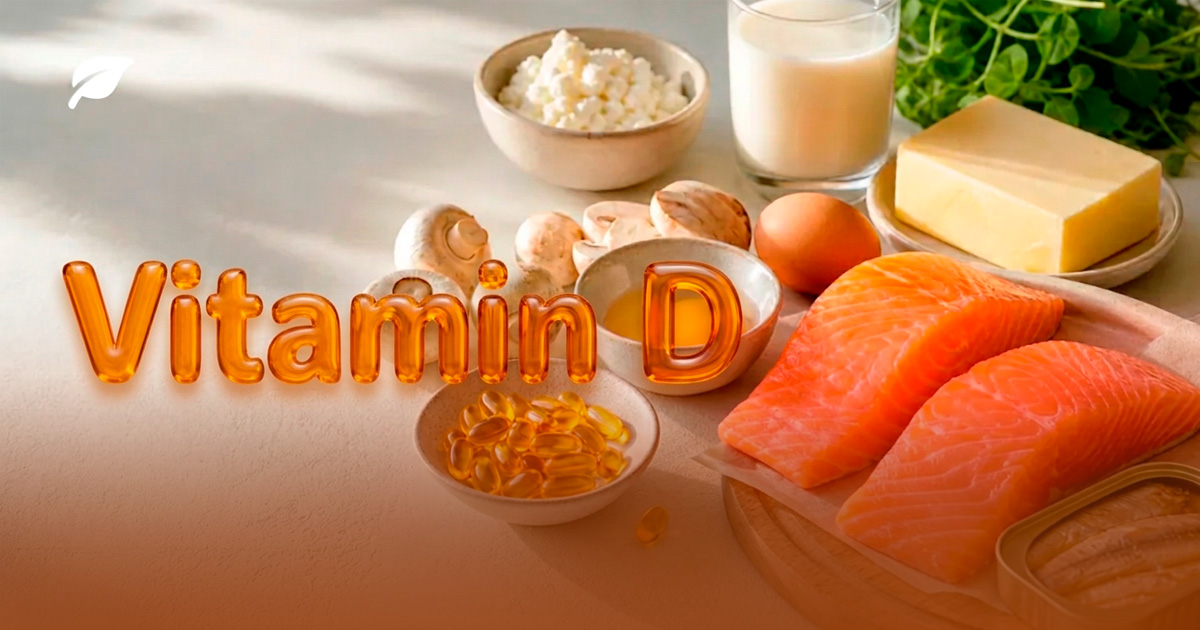
Vitamin D is closely associated with bone health because it helps the body absorb calcium and phosphorus. Getting enough can be challenging: food sources are limited, while vitamin D production in the skin depends on the season, latitude, skin pigmentation, clothing, and time spent outdoors.
This practical overview covers dietary sources of vitamin D and factors to consider before taking supplements.
Vitamin D is often called the “sunshine vitamin,” but relying only on sunlight is not always practical. Vitamin D production is affected by the season, geographic latitude, skin tone, clothing, sunscreen use, and time spent outdoors. Diet and, when appropriate, supplements may therefore matter—but the right approach depends on each person’s circumstances.
Why the Body Needs Vitamin D
Vitamin D helps the body absorb calcium and phosphorus, minerals needed to maintain bones and teeth. It also plays a role in muscle and immune function. However, vitamin D is not a universal disease-prevention remedy, and its effects on mood and other conditions should not be interpreted as proven treatment.
General Daily Intake Guidelines
Reference recommendations commonly use the following amounts:
| Age or life stage | Vitamin D amount |
|---|---|
| Birth to 12 months | 10 mcg (400 IU) |
| 1–70 years | 15 mcg (600 IU) |
| Over 70 years | 20 mcg (800 IU) |
| Pregnancy and breastfeeding | 15 mcg (600 IU) |
These are general reference points, not personalized recommendations. Actual needs and whether testing is appropriate depend on health status, diet, medications, and risk factors.
Which Foods Contain Vitamin D?
Fatty Fish
Salmon, mackerel, sardines, and tuna are among the more notable dietary sources of vitamin D. The amount varies by fish species, origin, and processing method, so check the package or a reliable nutrient database for specific values.
Egg Yolks
Egg yolks contain vitamin D, although usually in much smaller amounts than fatty fish. When eggs fit your diet and there are no relevant restrictions, they can contribute to an otherwise varied eating pattern.
Fortified Foods
Vitamin D may be added to milk, plant-based beverages, orange juice, and breakfast cereals. Formulas vary among manufacturers, so check the vitamin D line on the Nutrition Facts label rather than relying only on the product name.
Mushrooms
Some mushrooms, including shiitake and maitake, contain compounds that can convert to vitamin D2 when exposed to ultraviolet light. The amount depends on growing and processing methods, and ordinary mushrooms are not necessarily a significant source of vitamin D.
For product comparisons, you can browse vitamin D, shiitake, and maitake categories.
If you plan to place an order on iHerb, check the active promo code before paying.
D2, D3, and Supplements
Supplements commonly contain two main forms: D2, or ergocalciferol, and D3, or cholecalciferol. Both forms can raise vitamin D levels in the blood, but results depend on the specific product and the individual’s health status. When choosing a product, check the vitamin form, amount per serving, capsule or drop ingredients, and package directions.
Cod liver oil contains both vitamin D and omega-3 fatty acids, but that does not automatically make it suitable for everyone. Consider your overall diet, allergies, medications, and the product’s vitamin A content. You can use the cod liver oil category to compare formulas.
Who May Want to Discuss Vitamin D Levels With a Healthcare Professional?
- People who spend very little time in the sun
- Older adults
- People with darker skin and limited sun exposure
- People following a restrictive diet
- People with impaired fat absorption, including certain intestinal conditions
- People who have had bariatric surgery
- Infants, especially when recommended preventive supplementation has not been provided
Low vitamin D often causes no obvious signs. Possible symptoms—muscle weakness, muscle or bone pain, fatigue, and mood changes—are nonspecific and may have many causes. Vitamin D status can be assessed with a blood test ordered by a healthcare professional.
Why You Should Not Increase the Dose on Your Own
Vitamin D is fat-soluble and can accumulate in the body. Excessive supplement use may raise blood calcium levels and cause symptoms such as nausea, vomiting, loss of appetite, constipation, weakness, confusion, and irregular heart rhythm. In severe cases, the kidneys and heart may be affected.
For adults and children older than 9 years, the upper intake level cited in the source reference data is 4,000 IU per day. This is not a target dose and does not replace a healthcare professional’s recommendation. Professional guidance is especially important for people with kidney disease, calcium metabolism disorders, pregnancy, or regular medication use.
Practical Takeaway
A vitamin D–supportive diet may include fatty fish, eggs, fortified foods, and certain mushrooms. However, vitamin D levels in food vary, and sunlight does not produce the same result for everyone. If you have risk factors or concerns about vitamin D status, it is safer to discuss testing and an appropriate supplement form with a healthcare professional than to choose high doses on your own.
This article is for informational purposes and does not replace medical advice.
This article was prepared using reference information about dietary sources, intake, and vitamin D safety. iHerb